

Being told you may need an angioplasty can raise many questions. Is the blockage serious? Can medicines alone help? Is the procedure urgent?
Although not every blocked artery requires angioplasty, certain warning signs indicate that restoring blood flow quickly may be the safest option.
Understanding these situations allows patients to seek treatment before complications become more serious.
What Is Angioplasty?
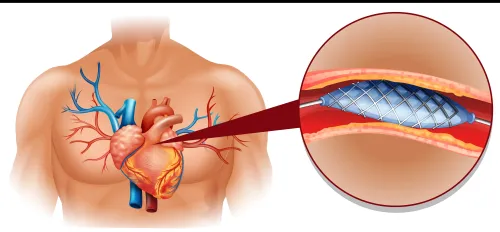
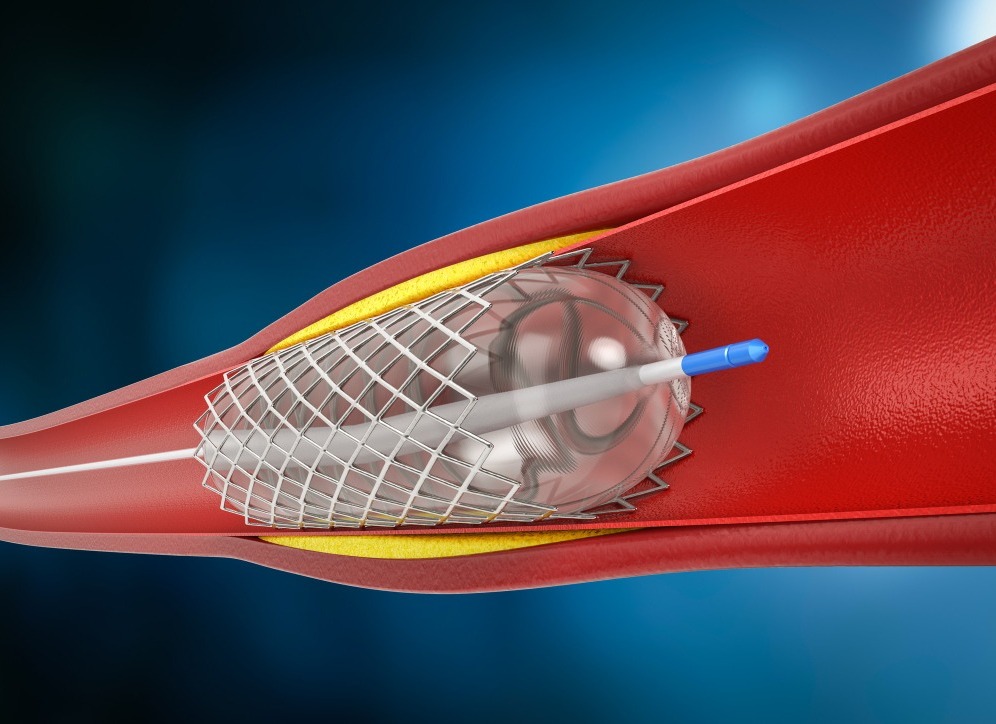
Angioplasty is a minimally invasive procedure used to open narrowed coronary arteries and improve blood circulation to the heart.
A small balloon is inserted through a catheter, and in most cases, a stent is placed to help keep the artery open.
The procedure is commonly recommended after an angiogram identifies significant blockage.
Five Signs Angioplasty May Be Recommended
1. Persistent Chest Pain
Chest discomfort that continues despite medication may indicate inadequate blood supply to the heart muscle.
Symptoms often worsen during physical activity or emotional stress.
2. Significant Blockage on an Angiogram
If diagnostic imaging shows severe narrowing in one or more coronary arteries, angioplasty may improve blood flow and reduce future complications.
The exact recommendation depends on the location and severity of the blockage.
3. Heart Attack
During a heart attack, rapid restoration of blood flow is essential.
Emergency angioplasty can reduce heart muscle damage and improve recovery when performed promptly.
4. Reduced Exercise Capacity
If simple activities such as climbing stairs or walking short distances cause chest discomfort or breathlessness, restricted coronary circulation may be responsible.
Further evaluation helps determine whether angioplasty would be beneficial.
5. Poor Response to Medication
Some patients continue to experience symptoms despite appropriate medical treatment and lifestyle changes.
In these situations, angioplasty may offer better symptom relief and improved quality of life.
What Happens After the Procedure?
Recovery usually includes:
- Short hospital stay
- Walking within a few hours
- Gradual return to normal activities
- Regular medication
- Lifestyle modification
- Follow-up cardiac reviews
Recovery recommendations vary depending on the patient's overall health.
Long-Term Success Depends on Lifestyle
Even after successful angioplasty, patients should continue:
- Healthy eating
- Blood pressure control
- Diabetes management
- Exercise
- Smoking cessation
- Regular cardiac follow-up
The procedure treats existing blockages but does not eliminate the causes of coronary artery disease.
Patients in Bangalore seeking guidance regarding angioplasty often consult Dr. Kumar Kenchappa for comprehensive evaluation before deciding on the most suitable treatment option.
Recognizing warning signs early and seeking timely medical care can significantly improve long-term heart health while reducing the risk of future cardiac emergencies