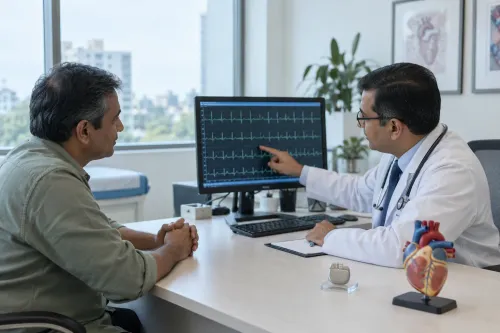


When a cardiologist recommends an Angiogram, patients commonly want to know why the investigation is needed, how they should prepare and what may happen after the results are available.
Coronary angiography provides detailed information about the arteries supplying blood to the heart. For patients in Bangalore, it is usually performed when the clinical situation requires more precise assessment of suspected or established coronary artery disease.
Why Is an Angiogram Recommended
The investigation may be considered when symptoms or previous tests raise concern about significant coronary artery narrowing.
Clinical situations vary considerably. Some procedures are planned, while coronary angiography may also be performed urgently in particular acute cardiac conditions.
Its purpose is to help doctors understand the coronary anatomy and determine an appropriate treatment pathway.
What Information Should You Share Beforehand
Before the procedure, provide the medical team with an accurate medical history.
Important information can include:
- Current medicines
- Previous reactions to medicines or contrast agents
- Kidney problems
- Diabetes
- Bleeding-related conditions
- Previous angioplasty or bypass surgery
- Other significant illnesses
Patients taking medicines for diabetes, blood thinning or other cardiovascular conditions should follow the specific instructions provided by their treating team rather than independently stopping medication.
What Happens During the Procedure
Coronary angiography uses a catheter introduced through an artery, commonly from the wrist or groin depending on clinical and procedural considerations.
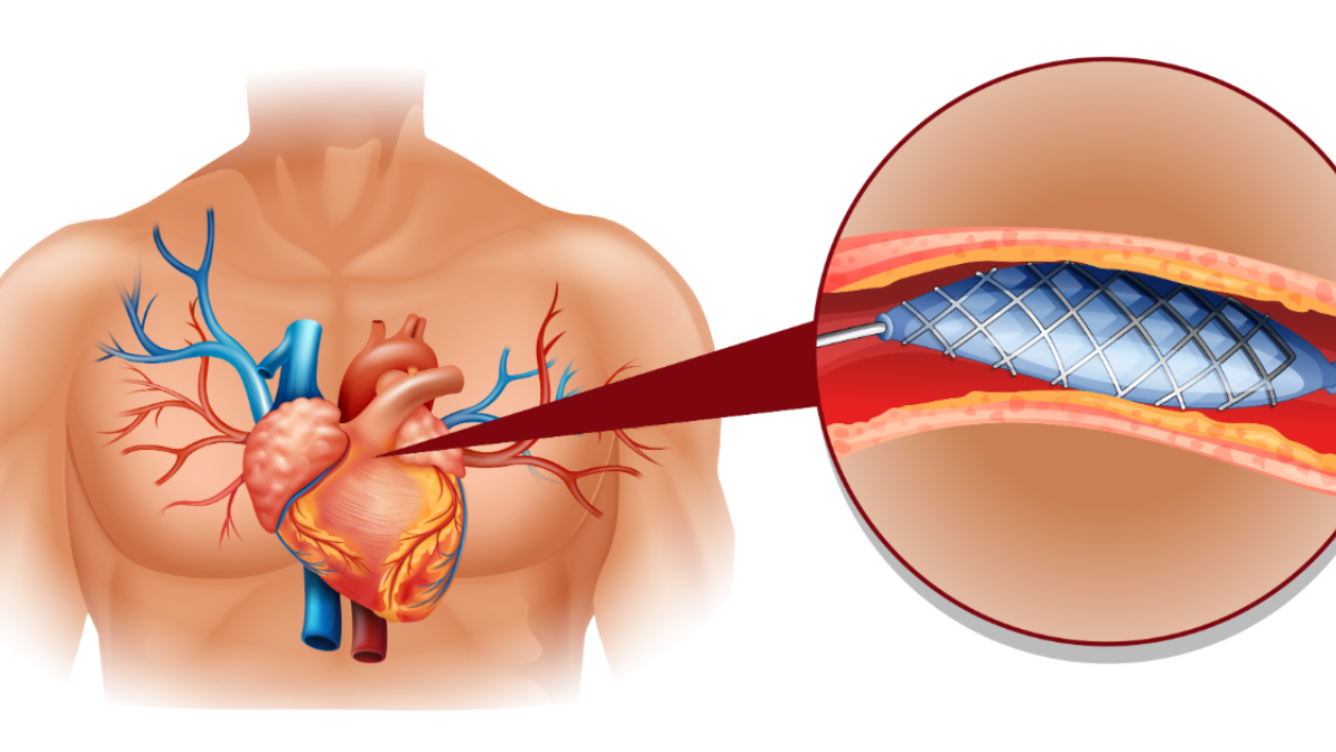
Contrast material is injected while X-ray images are obtained. These images allow the cardiologist to examine coronary blood flow and identify areas of narrowing or blockage.
Dr. Kumar Kenchappa assesses patients with coronary artery disease and related cardiovascular concerns in Bangalore, with invasive investigations considered when clinically appropriate.
What Can Happen After the Results
An angiogram is primarily diagnostic, although in some clinical situations treatment may proceed during the same setting when appropriate and previously discussed.
Depending on the findings, further management might involve:
- Medical treatment and risk-factor control
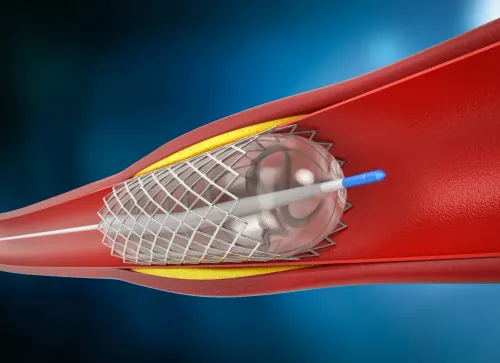
- Angioplasty and stent placement
- Consideration of bypass surgery
- Additional evaluation where necessary
The best pathway depends on coronary anatomy and the patient's overall clinical condition.
Ask About Recovery Instructions
After angiography, patients receive instructions related to the access site, physical activity, medicines and symptoms that require attention.
Following these instructions is important because recovery considerations can differ according to the access route and individual health factors.
For patients considering an angiogram in Bangalore, understanding why the investigation is being recommended is as important as knowing how it is performed. A useful pre-procedure discussion should explain the clinical reason, likely next steps, relevant risks and possible treatment options based on the findings.