

An angioplasty is one of the most commonly performed procedures for treating blocked coronary arteries. It helps restore blood flow to the heart muscle without the need for open-heart surgery in many cases.
With heart disease becoming increasingly common across Bangalore, understanding when angioplasty is recommended can help patients make informed healthcare decisions.
What Is Angioplasty?
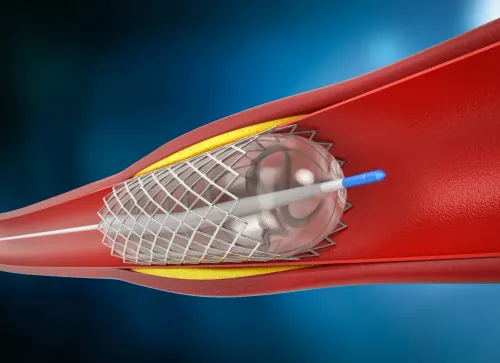
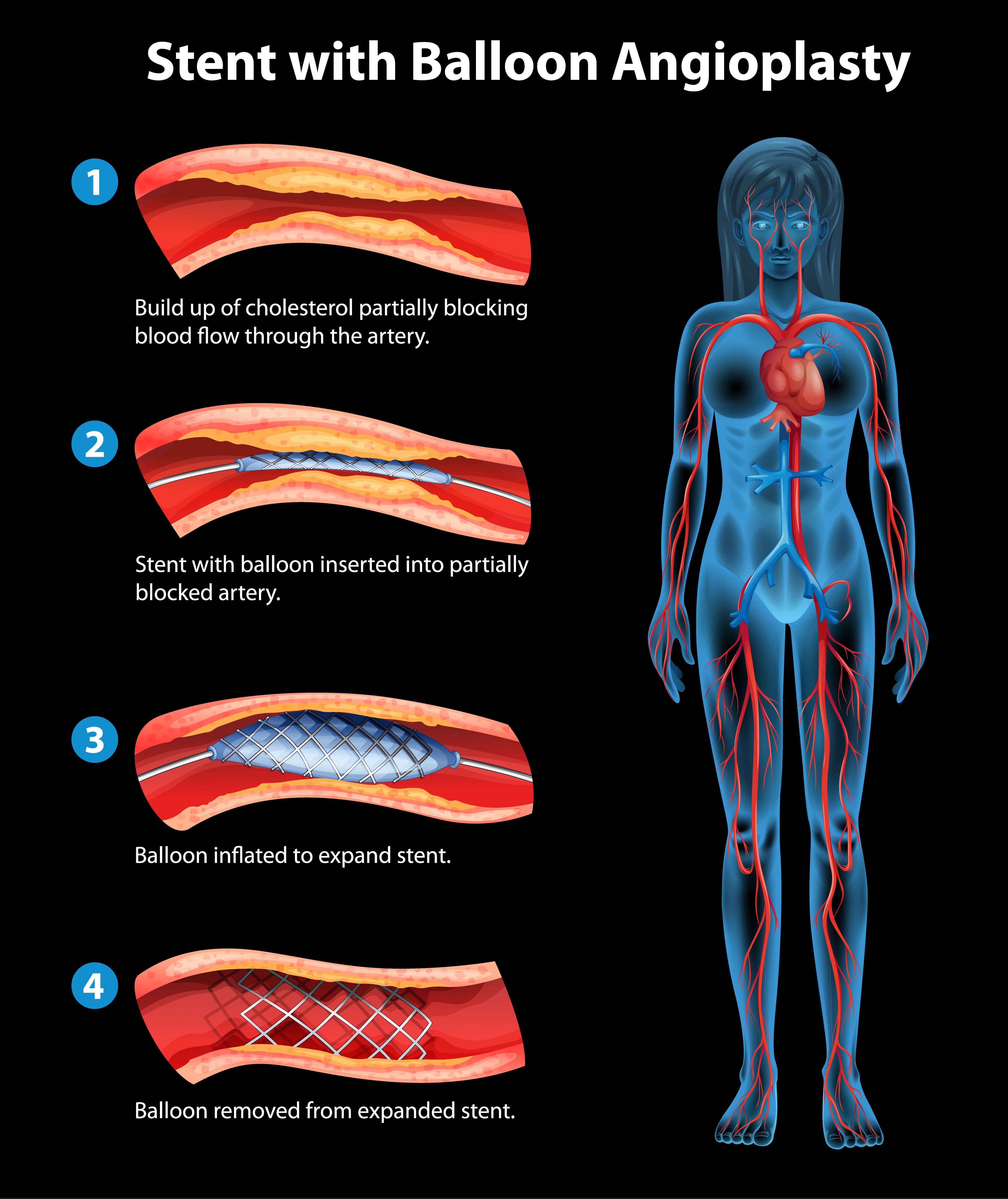
Angioplasty is a minimally invasive procedure used to widen narrowed or blocked coronary arteries.
During the procedure:
- A catheter is inserted through the wrist or groin.
- A small balloon is guided to the blockage.
- The balloon is inflated to improve blood flow.
- In many cases, a stent is placed to keep the artery open.
The goal is to improve circulation and reduce symptoms caused by restricted blood flow.
When Is Angioplasty Needed?
Doctors may recommend angioplasty if:
- Significant artery blockage is detected during an angiogram
- Chest pain continues despite medication
- A heart attack requires emergency treatment
- Blood flow to the heart is severely reduced
Not every blockage requires angioplasty. Treatment depends on symptoms, blockage severity, and overall heart function.
Benefits of Angioplasty
Potential advantages include:
- Improved blood circulation
- Relief from chest pain
- Better exercise tolerance
- Reduced heart attack risk in selected patients
- Faster recovery compared to major surgery
Many patients notice symptom improvement soon after recovery.
Recovery Timeline
Most individuals recover relatively quickly.
Recovery generally includes:
- Walking within hours after the procedure
- Short hospital stay
- Gradual return to work
- Continuing prescribed medications
- Regular follow-up appointments
Lifestyle changes remain essential even after successful treatment.
Life After Angioplasty
The procedure treats existing blockages but does not eliminate the underlying causes of heart disease.
Patients should focus on:
- Heart-healthy nutrition
- Blood pressure management
- Diabetes control
- Cholesterol reduction
- Regular exercise
- Smoking cessation
- Routine cardiac follow-up
Ignoring these factors can increase the risk of future blockages.
Is Angioplasty Safe?
Modern angioplasty techniques have made the procedure highly effective for appropriately selected patients. As with any medical intervention, risks exist, but careful patient evaluation and experienced cardiac care help minimize complications.
Many individuals in Bangalore choose Dr. Kumar Kenchappa for assessment of coronary artery disease because of a patient-focused approach that emphasizes accurate diagnosis, appropriate intervention, and long-term heart health management.
Understanding how angioplasty works enables patients to participate actively in treatment decisions and maintain healthier cardiovascular outcomes through ongoing preventive care.