A diagnosis of narrowed coronary arteries can raise immediate questions about treatment. One commonly discussed procedure is Angioplasty, which is used to improve blood flow through a coronary artery that has become significantly narrowed or blocked.
Patients in Bangalore and across Karnataka may encounter the term after investigations for chest discomfort, after an abnormal cardiac test or during treatment for certain types of heart attack. Understanding what the procedure does makes conversations with the cardiologist easier.
What Happens During Coronary Angioplasty
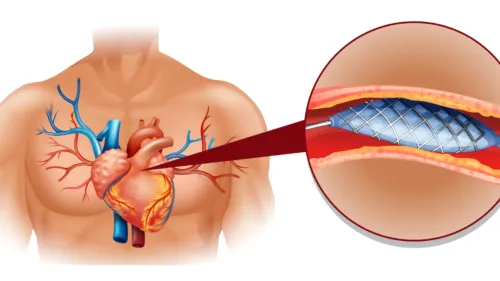
Coronary angioplasty is a catheter-based procedure. A thin catheter is guided through a blood vessel toward the coronary arteries.
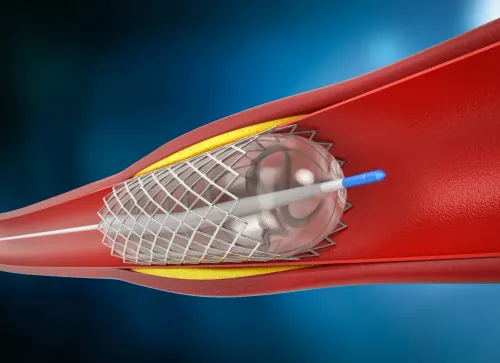
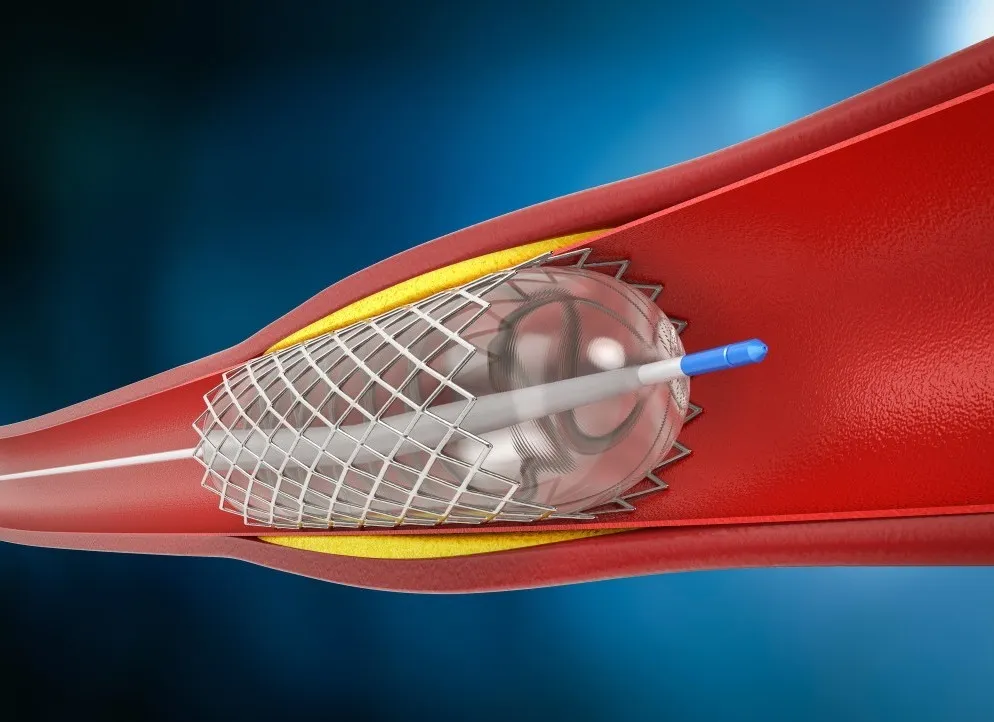
When a significant narrowing requiring treatment is identified, a small balloon can be positioned at the affected area and inflated to help widen the artery. A stent is commonly placed to help keep the treated artery open.
The exact approach depends on the location and characteristics of the blockage as well as the patient’s overall medical condition.
Why Can Coronary Arteries Become Narrow
Coronary artery disease generally develops when plaque accumulates within arteries supplying blood to the heart muscle.
Several factors can increase cardiovascular risk, including:
- Diabetes
- High blood pressure
- High cholesterol
- Tobacco use
- Family history of heart disease
- Excess body weight
- Physical inactivity
- Increasing age
Managing these factors remains important even after an intervention.
Does Every Blockage Require Angioplasty
No. Finding coronary artery narrowing does not automatically mean that every patient requires an angioplasty.
Treatment decisions can depend on the severity and location of disease, symptoms, clinical stability, heart function and results of relevant investigations. Some patients may be treated with medication and risk-factor management, while others may benefit from an intervention or require consideration of coronary bypass surgery.
This is why treatment should be individualized rather than determined solely by a percentage written on an investigation report.
Dr. Kumar Kenchappa assesses coronary artery disease and related cardiac concerns in Bangalore, with treatment planning based on clinical findings and appropriate investigations.
What Happens After the Procedure
Angioplasty treats an important narrowed area, but ongoing cardiovascular care remains necessary. Depending on the patient's condition, post-procedure management may include prescribed antiplatelet medicines and treatment for cholesterol, blood pressure or diabetes.
Lifestyle measures may also include:
- Avoiding tobacco
- Following an appropriate heart-conscious diet
- Gradually returning to physical activity as advised
- Controlling blood pressure and blood sugar
- Taking medicines consistently
- Attending scheduled cardiac follow-ups
Understanding the reason for angioplasty, the alternatives and the required follow-up helps patients participate more actively in treatment decisions. The goal is not simply to address one narrowed artery, but to manage cardiovascular disease and its risk factors over the longer term.
Keywords