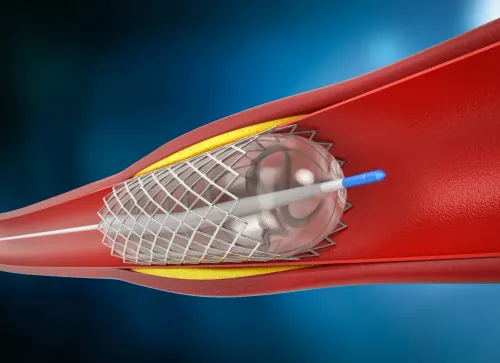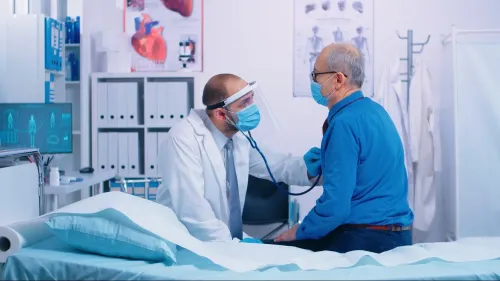


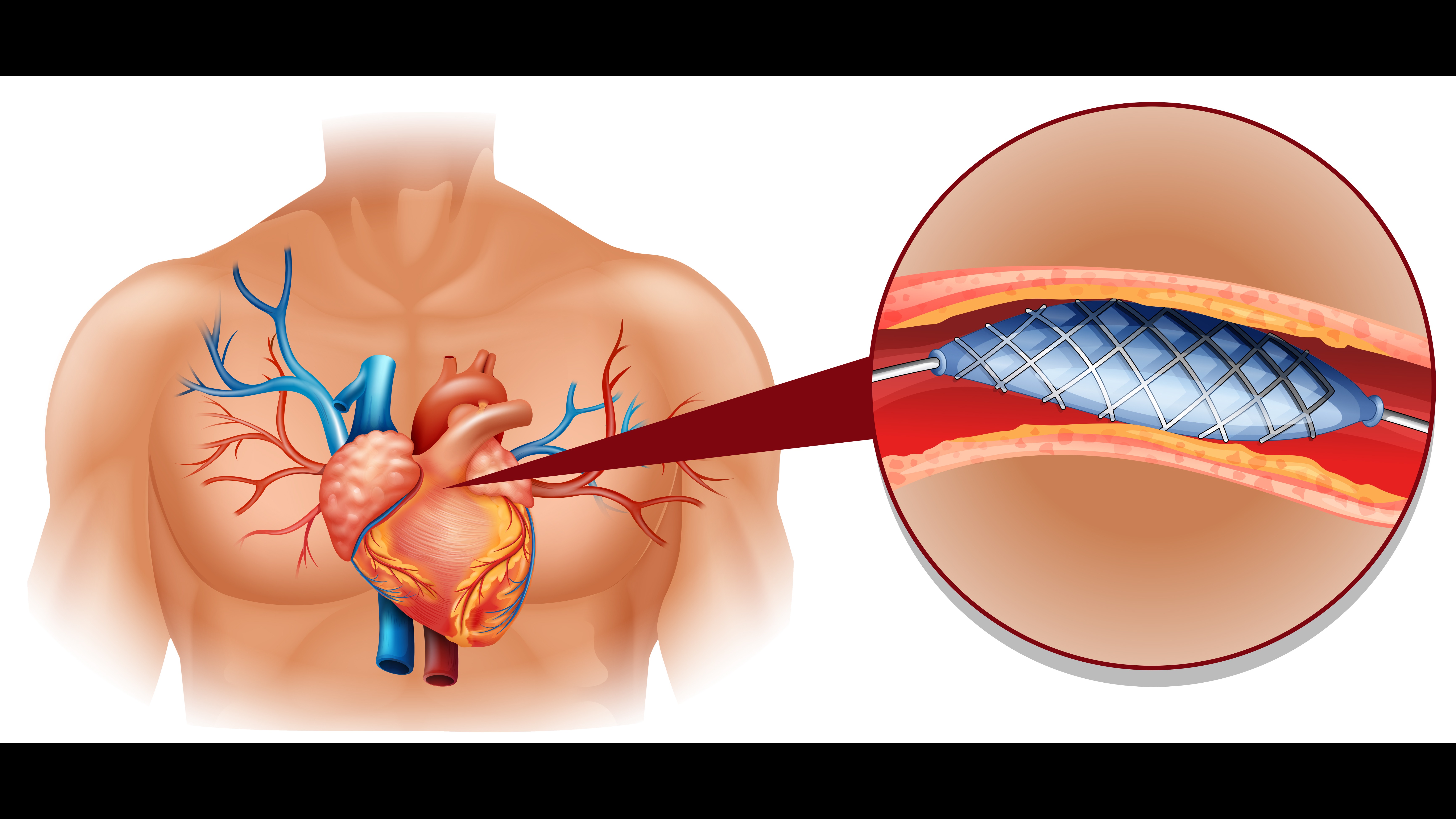
An angiogram is an important diagnostic procedure that helps doctors identify blockages or narrowing in the coronary arteries. If your cardiologist has recommended one, understanding how to prepare can make the experience smoother and less stressful.
Patients across Bangalore frequently undergo angiograms to evaluate chest pain, abnormal stress test results, or suspected coronary artery disease.
Before the Procedure
Your medical team will provide specific instructions, but preparation commonly includes:
- Sharing your complete medical history
- Informing the doctor about allergies
- Listing all current medications
- Discussing blood-thinning medicines
- Reporting kidney disease or diabetes
- Mentioning previous reactions to contrast dye
Providing accurate information helps reduce potential risks.
Tests You May Need
Before an angiogram, doctors may recommend:
- Blood investigations
- ECG
- Chest X-ray
- Kidney function tests
- Echocardiogram
These assessments help determine whether additional precautions are required.
What Should You Bring?
On the day of the procedure, carry:
- Medical records
- Previous cardiac reports
- Medication list
- Identity documents
- Health insurance information, if applicable
Having everything organized helps avoid unnecessary delays.
During the Angiogram
Patients are generally awake throughout the procedure.
The process usually involves:
- Local anesthesia.
- Catheter insertion through the wrist or groin.
- Contrast dye injection.
- X-ray imaging of coronary arteries.
- Removal of the catheter once imaging is complete.
Most procedures are completed within an hour.
After the Procedure
Recovery instructions may include:
- Drinking plenty of fluids
- Resting for several hours
- Avoiding strenuous activity temporarily
- Monitoring the insertion site
- Taking prescribed medications
Many patients return home on the same day.
Questions Worth Asking Your Cardiologist
Before the procedure, consider asking:
- Why do I need an angiogram?
- What are the possible findings?
- Will I require angioplasty immediately if a blockage is found?
- How long will recovery take?
- When can I return to work?
Understanding the process reduces anxiety and encourages informed decision-making.
Staying Calm Before the Test
It is natural to feel nervous before any medical procedure. Remember that an angiogram is routinely performed and provides valuable information that guides the most appropriate treatment plan.
Patients in Bangalore often seek evaluation from Dr. Kumar Kenchappa, who emphasizes patient education and ensures individuals understand each step of the diagnostic process before proceeding.
Preparing properly for an angiogram not only improves the overall experience but also helps the healthcare team perform the procedure safely and efficiently.