

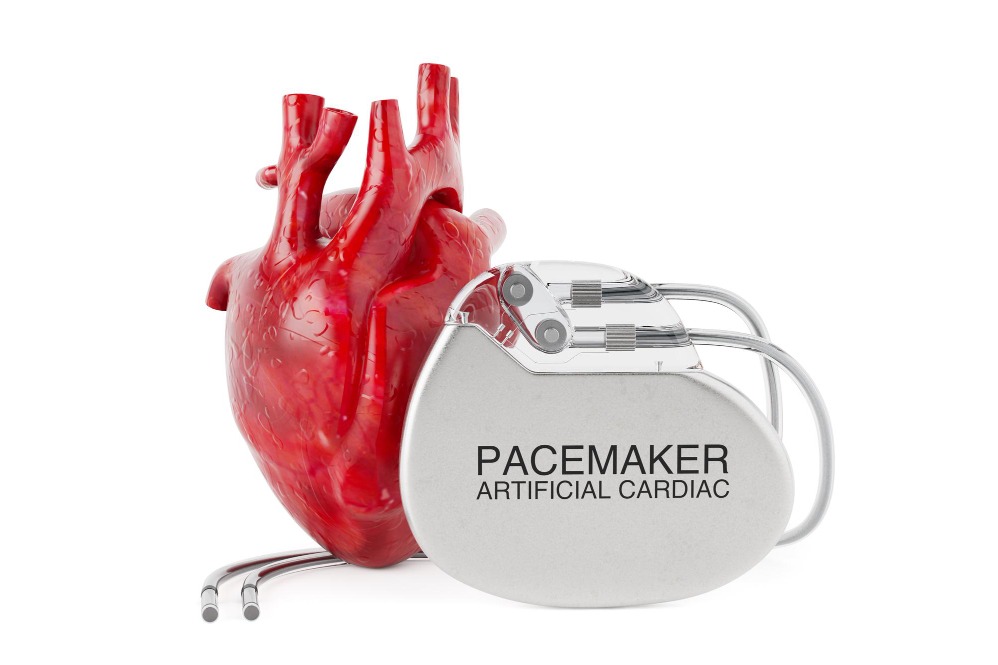
A pacemaker is a small medical device that helps regulate abnormal heart rhythms. While many people associate pacemakers with advanced age, they are recommended for patients of different age groups when the heart's electrical system fails to maintain a normal rhythm.
Understanding when a pacemaker is necessary can reduce uncertainty and encourage timely medical care.
What Does a Pacemaker Do?
The heart depends on electrical signals to beat regularly. When these signals become too slow or irregular, blood circulation may be affected.
A pacemaker monitors heart rhythm and sends electrical impulses whenever necessary to maintain a healthy heartbeat.
Conditions That May Require a Pacemaker
Your cardiologist may recommend a pacemaker for:
- Slow heart rate (bradycardia)
- Heart block
- Certain rhythm disorders
- Fainting caused by abnormal heart rhythms
- Heart failure requiring specialized pacing therapy
The recommendation depends on detailed cardiac evaluation rather than symptoms alone.
Symptoms That May Indicate an Abnormal Heart Rhythm
Patients should not ignore:
- Frequent dizziness
- Blackouts
- Extreme tiredness
- Slow pulse
- Shortness of breath
- Difficulty performing daily activities
- Recurrent fainting episodes
These symptoms deserve prompt cardiac assessment.
What Happens During Pacemaker Implantation?
The procedure usually involves:
- Local anesthesia.
- Small incision below the collarbone.
- Placement of pacing leads into the heart.
- Connection of the leads to the pacemaker device.
- Device testing before completing the procedure.
Most patients remain awake throughout the implantation.
Recovery After Implantation
Recovery recommendations commonly include:
- Limiting heavy arm movements temporarily
- Keeping the incision clean
- Attending follow-up visits
- Avoiding strenuous lifting during early healing
- Carrying the pacemaker identification card
Most individuals gradually resume their regular routines within a few weeks.
Can You Live Normally With a Pacemaker?
Yes. Many patients return to work, travel, exercise appropriately, and enjoy active lifestyles after recovery.
Regular follow-up helps ensure that the device functions optimally and that battery performance is monitored over time.
Importance of Ongoing Cardiac Care
A pacemaker treats rhythm disturbances but does not replace comprehensive heart care. Managing blood pressure, diabetes, cholesterol, and lifestyle habits remains essential for overall cardiovascular health.
Patients looking for experienced cardiac evaluation in Bangalore often consult Dr. Kumar Kenchappa to determine whether pacemaker therapy is appropriate and to receive individualized long-term management based on their specific cardiac condition.
Understanding the purpose of a pacemaker helps patients approach treatment with greater confidence while focusing on maintaining a healthy and active life.