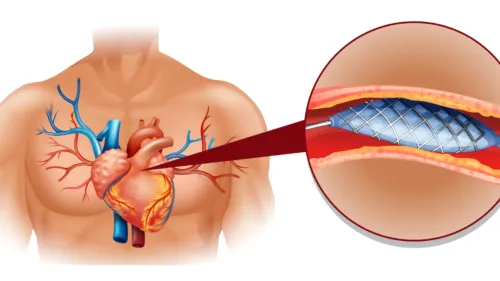
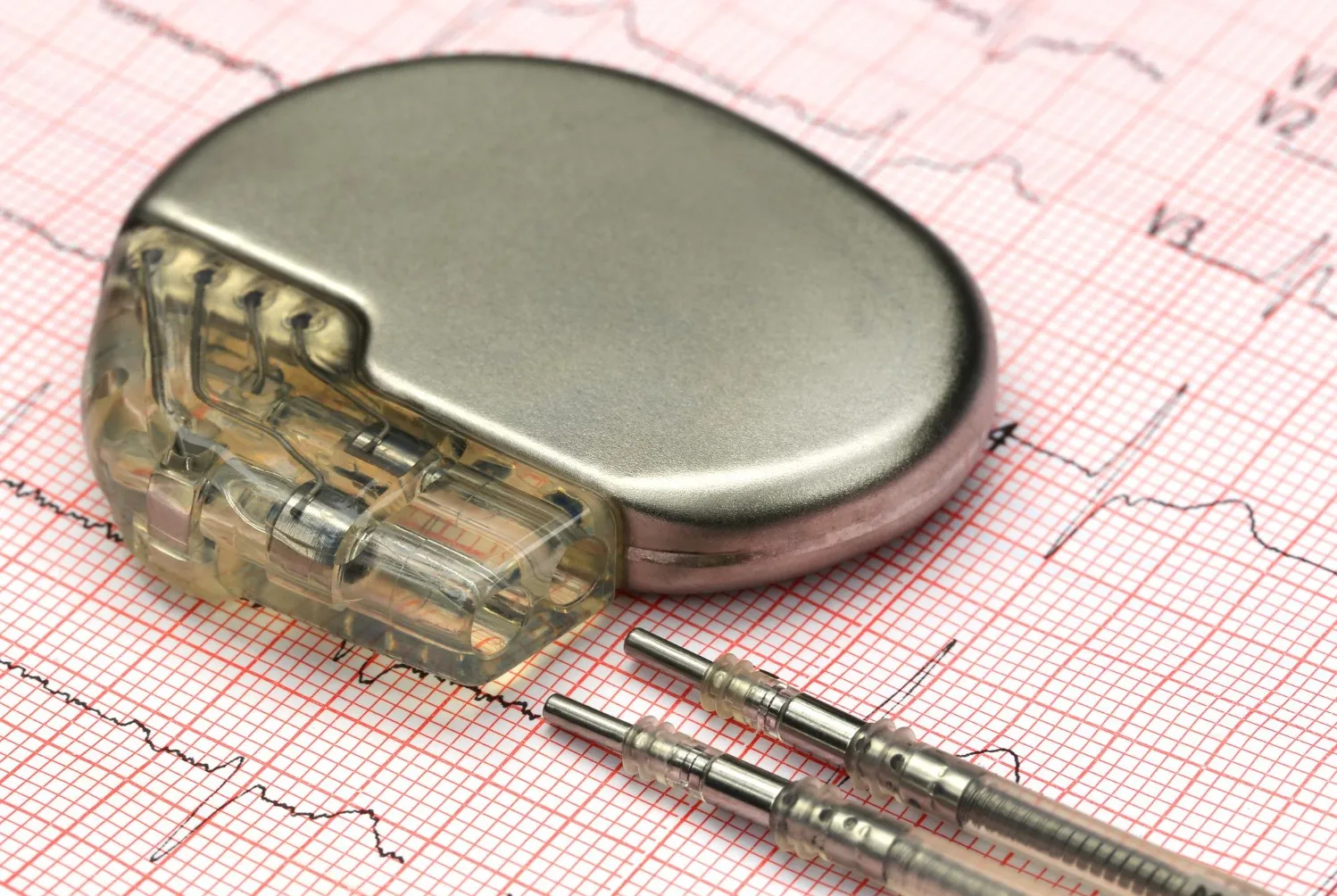
The heart normally uses its own electrical system to coordinate each heartbeat. When this electrical activity becomes too slow or conduction between different parts of the heart is significantly disturbed, a Pacemaker may be considered to help maintain an appropriate heart rhythm.
For patients and families in Bangalore, Karnataka, learning why pacemakers are recommended can reduce uncertainty when discussing treatment with a cardiologist.
What Does a Pacemaker Do
A pacemaker is a small electronic device designed to monitor the heart’s rhythm and provide electrical impulses when required.
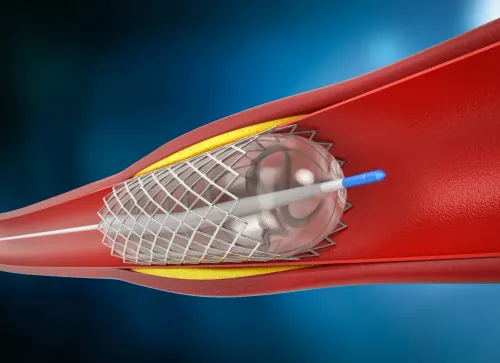
Modern pacemakers generally consist of a pulse generator and one or more leads, although certain patients may be candidates for other pacing technologies. The type selected depends on the underlying rhythm problem and individual cardiac requirements.
Why Might Someone Need One
A pacemaker is not used for every irregular heartbeat. It is commonly considered for particular rhythm or conduction abnormalities where the heart rate becomes inappropriately slow.
Possible clinical situations can include:
- Symptomatic bradycardia
- Certain forms of heart block
- Sinus node dysfunction
- Selected rhythm problems causing pauses
- Specific situations requiring cardiac pacing
Symptoms associated with a slow rhythm can include unusual fatigue, dizziness, reduced exercise tolerance, breathlessness or fainting.
However, symptoms alone cannot establish whether a pacemaker is necessary.
How Is the Problem Diagnosed
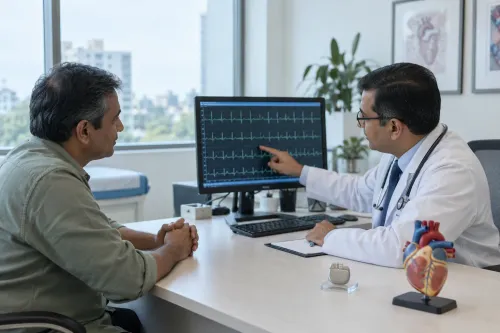
Evaluation typically starts with a clinical history and ECG. Because rhythm abnormalities may come and go, longer-duration cardiac monitoring may sometimes be required.
The cardiologist may also assess medicines, electrolyte abnormalities, thyroid function or other factors that could influence the heart rate.
Dr. Kumar Kenchappa provides evaluation for cardiovascular and heart rhythm concerns in Bangalore. Pacemaker recommendations are made according to the type of rhythm disturbance, symptoms and relevant clinical findings.
What Is Life Like After Pacemaker Implantation
Many patients return to regular daily activities after an appropriate recovery period, although individual recommendations vary.
Follow-up is an essential part of pacemaker care. During device checks, the medical team can evaluate battery status, pacing performance and recorded rhythm information.
Patients should also:
- Carry their pacemaker identification information
- Attend scheduled device checks
- Take prescribed medicines consistently
- Inform healthcare providers about the implanted device
- Follow instructions regarding physical activity after implantation
- Discuss specific electrical or electromagnetic equipment if exposure is expected
Pacemaker batteries generally last for years, but longevity depends on device settings and how frequently pacing is required. The generator can be replaced when the battery approaches depletion.
A pacemaker is therefore not simply an implanted device. It becomes part of ongoing cardiac management that includes regular monitoring, symptom review and attention to the underlying cardiovascular condition.
Keywords