


When coronary arteries become narrowed or blocked, many patients immediately assume they will need surgery or an angioplasty. In reality, the best treatment depends on several factors, including the severity of the blockage, symptoms, overall heart function, and lifestyle. Understanding the difference between angioplasty and medical management can help patients make informed decisions alongside their cardiologist.
For people in Bangalore, where cardiovascular diseases are increasingly common due to sedentary lifestyles, stress, diabetes, and hypertension, early diagnosis plays a crucial role in selecting the most appropriate treatment.
What Is Medical Management?
Medical management involves controlling heart disease through prescribed medications and lifestyle modifications rather than a procedure.
Treatment may include:
- Blood-thinning medications
- Cholesterol-lowering drugs
- Blood pressure medications
- Diabetes management
- Lifestyle counselling
- Regular cardiac monitoring
This approach is often recommended when artery narrowing is mild or symptoms are well controlled.
When Is Angioplasty Recommended?
Angioplasty is typically considered when:
- A coronary artery has significant blockage.
- Chest pain continues despite medications.
- Blood flow to the heart is severely restricted.
- A heart attack requires immediate restoration of circulation.
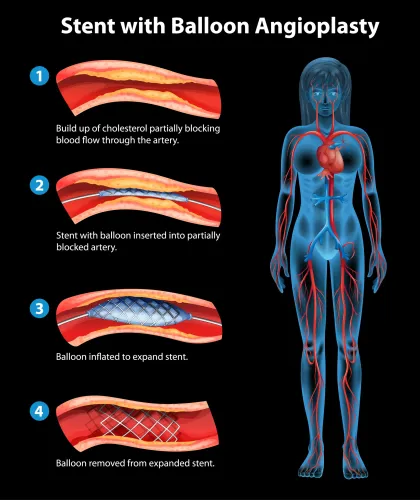
During the procedure, a balloon catheter is used to open the blocked artery, and a stent is often placed to help keep it open.
Comparing the Two Approaches
Medication May Be Suitable If:
- Blockages are not severe.
- Symptoms are infrequent.
- Heart function remains stable.
- Lifestyle changes are likely to improve outcomes.
Angioplasty May Be Preferred If:
- Symptoms interfere with daily activities.
- Multiple tests confirm significant narrowing.
- There is an increased risk of heart damage.
- Emergency treatment is required following a heart attack.
Neither option is universally better. The right choice depends on each patient's medical condition.
Factors Your Cardiologist Will Consider
Before recommending treatment, several aspects are evaluated:
- Angiogram findings
- Severity and location of blockage
- Existing medical conditions
- Age and overall health
- Previous cardiac history
- Current symptoms
- Risk of future cardiac events
A personalized treatment plan generally provides better long-term outcomes than a one-size-fits-all approach.
Why Lifestyle Still Matters
Whether treatment involves medication or angioplasty, long-term heart health depends on daily habits.
Patients are encouraged to:
- Exercise regularly
- Maintain healthy body weight
- Quit smoking
- Control diabetes
- Reduce salt intake
- Manage stress
- Take medications consistently
These measures reduce the likelihood of future complications.
Making an Informed Decision
Patients often feel anxious after hearing they have blocked arteries. Asking questions about available treatment options, expected benefits, and potential risks can help remove uncertainty.
Many patients in Bangalore consult Dr. Kumar Kenchappa for detailed evaluation before deciding on angioplasty or continued medical management. Individual assessment ensures that treatment recommendations are based on clinical evidence rather than assumptions.
Heart disease treatment is rarely identical for every patient. Understanding the advantages of each option allows people to participate confidently in decisions that support better long-term cardiovascular health.