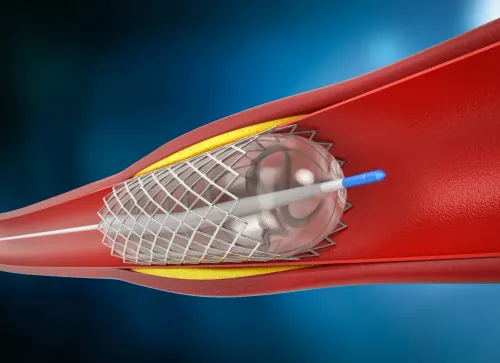


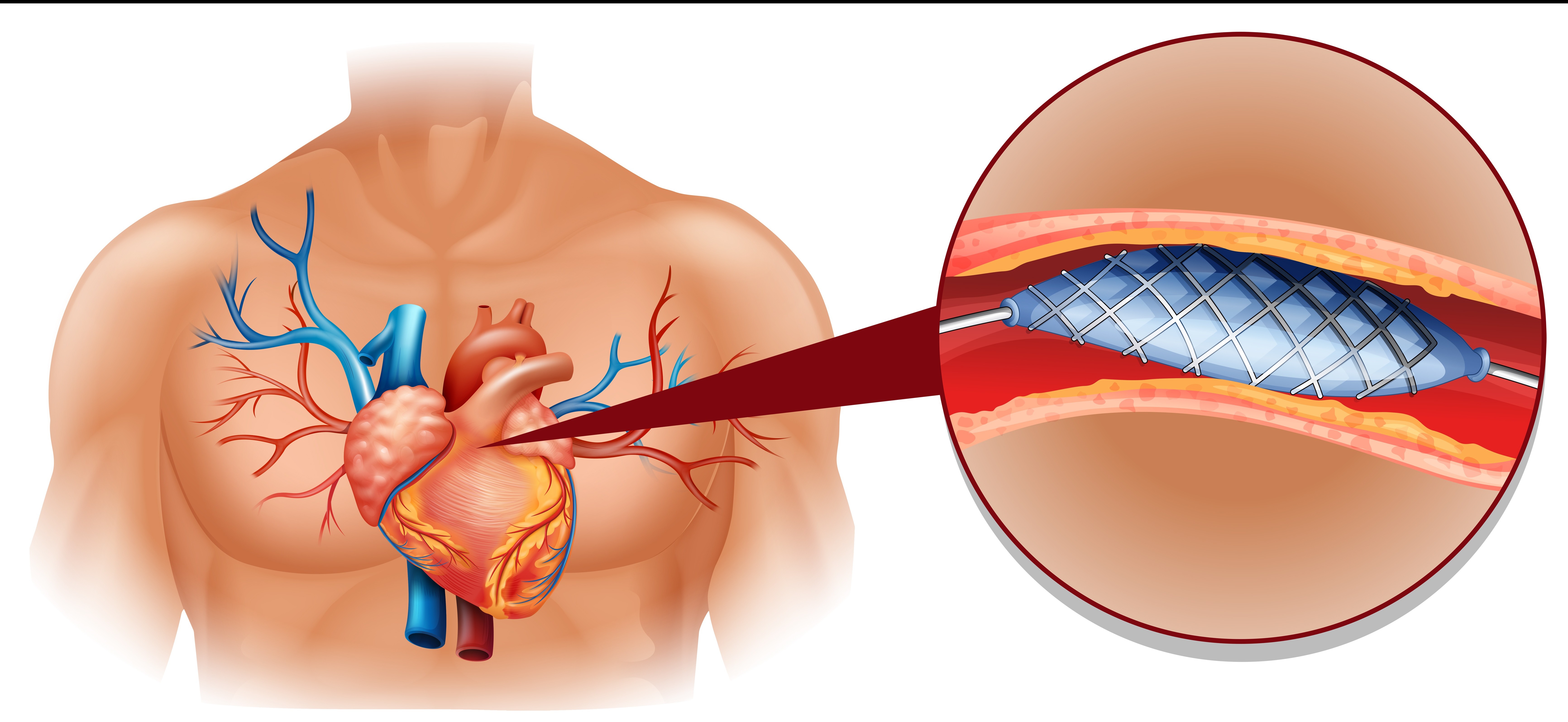
Hearing that you need an angiogram can feel overwhelming, especially if it is your first cardiac procedure. Many people imagine major surgery, but an angiogram is actually a minimally invasive diagnostic test that allows doctors to examine blood flow through the coronary arteries.
For patients in Bangalore experiencing chest pain, unexplained breathlessness, or abnormal cardiac test results, an angiogram often provides valuable information that helps determine the most suitable treatment plan.
What Is an Angiogram?
An angiogram is an imaging procedure that uses a special contrast dye and X-ray technology to visualize the arteries supplying blood to the heart.
It helps doctors identify:
- Narrowed arteries
- Complete blockages
- Blood flow abnormalities
- Congenital vessel problems
- Severity of coronary artery disease
The results guide future treatment decisions.
Why Might Your Doctor Recommend One?
Common reasons include:
- Persistent chest pain
- Positive treadmill stress test
- Suspected coronary artery disease
- Heart attack evaluation
- Abnormal ECG findings
- Shortness of breath during exertion
- Planning for angioplasty or cardiac surgery
An angiogram provides precise information that non-invasive tests may not always reveal.
How Is the Procedure Performed?
The procedure generally involves:
- Local anesthesia at the wrist or groin.
- A thin catheter inserted into an artery.
- The catheter guided toward the heart.
- Contrast dye injected into coronary arteries.
- Multiple X-ray images recorded.
Patients usually remain awake throughout the procedure and can communicate with the medical team.
Is an Angiogram Painful?
Most patients report only mild discomfort during catheter insertion. Since local anesthesia is used, significant pain is uncommon.
The procedure usually lasts between 20 and 45 minutes, depending on the complexity of the case.
Recovery After an Angiogram
Recovery is generally quick.
Patients are advised to:
- Rest for several hours
- Drink plenty of water
- Avoid heavy lifting for a short period
- Follow medication instructions carefully
- Watch for unusual swelling or bleeding at the insertion site
Many individuals return home on the same day unless additional treatment is required.
Understanding the Results
The findings may show:
- Normal coronary arteries
- Mild narrowing requiring lifestyle modification and medicines
- Significant blockages requiring angioplasty
- Multiple blocked arteries that may require bypass surgery
Each treatment recommendation depends on the location, number, and severity of blockages.
Why Accurate Diagnosis Matters
Treating heart disease without understanding the exact condition may delay appropriate care. An angiogram offers detailed information that supports informed treatment decisions and improves long-term outcomes.
Patients seeking expert cardiac evaluation in Bangalore often consult Dr. Kumar Kenchappa, who carefully explains diagnostic findings and recommends treatment based on individual clinical needs rather than a one-size-fits-all approach.
Understanding the purpose of an angiogram can reduce anxiety and help patients approach the procedure with greater confidence. Early diagnosis remains one of the most effective ways to prevent major cardiac complications.