

A pacemaker is a small electronic device designed to help maintain a normal heart rhythm when the heart's natural electrical system becomes unreliable. Although the idea of receiving a pacemaker may sound intimidating, the procedure is routinely performed and has helped many patients return to active, independent lives.
Knowing what to expect before implantation can reduce anxiety and prepare patients for a smoother recovery.
Why Is a Pacemaker Needed?
A cardiologist may recommend a pacemaker for conditions such as:
- Bradycardia (slow heart rate)
- Heart block
- Certain rhythm disorders
- Recurrent fainting due to abnormal heart rhythms
- Selected heart failure patients requiring specialized pacing
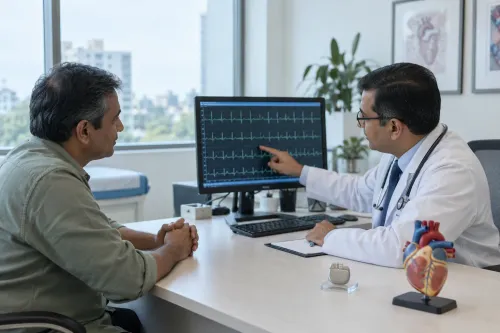
The decision follows careful evaluation using ECGs, Holter monitoring, and other cardiac investigations.
Preparing for the Procedure
Before implantation, patients are usually advised to:
- Share their complete medical history
- Inform the doctor about medications
- Complete recommended blood tests
- Follow fasting instructions if provided
- Arrange transportation after discharge
Your healthcare team will explain the preparation in detail.
What Happens During Pacemaker Implantation?
The procedure generally involves:
- Local anesthesia to numb the area.
- A small incision below the collarbone.
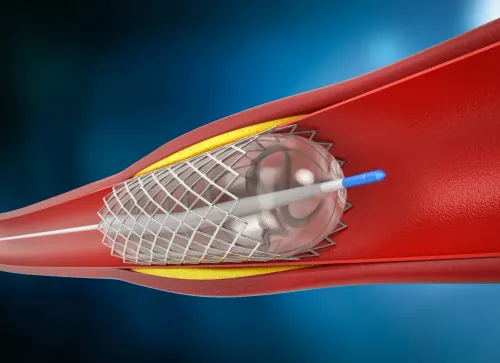
- Placement of pacing leads into the heart.
- Connection of the leads to the pacemaker device.
- Testing the system before closing the incision.
Most patients remain awake and experience minimal discomfort.
Recovery After Implantation
Recovery is usually straightforward.
Patients should:
- Avoid heavy lifting for several weeks.
- Limit excessive arm movement initially.
- Keep the incision clean and dry.
- Attend scheduled follow-up appointments.
- Carry a pacemaker identification card.
Most individuals gradually resume normal daily activities under medical guidance.
Living With a Pacemaker
Modern pacemakers are designed to support everyday life.
Many patients continue to:
- Work
- Travel
- Exercise appropriately
- Drive after medical clearance
- Participate in routine social activities
Regular device checks ensure optimal performance and monitor battery life.
Importance of Ongoing Cardiac Care
A pacemaker addresses rhythm problems but should be combined with healthy lifestyle habits and routine cardiac monitoring.
Patients in Bangalore often seek evaluation from Dr. Kumar Kenchappa to determine whether pacemaker implantation is appropriate and to receive individualized follow-up care after the procedure.
Understanding the implantation process helps patients approach treatment with confidence while focusing on maintaining long-term cardiovascular health.